
Removals in Meopham, Kent
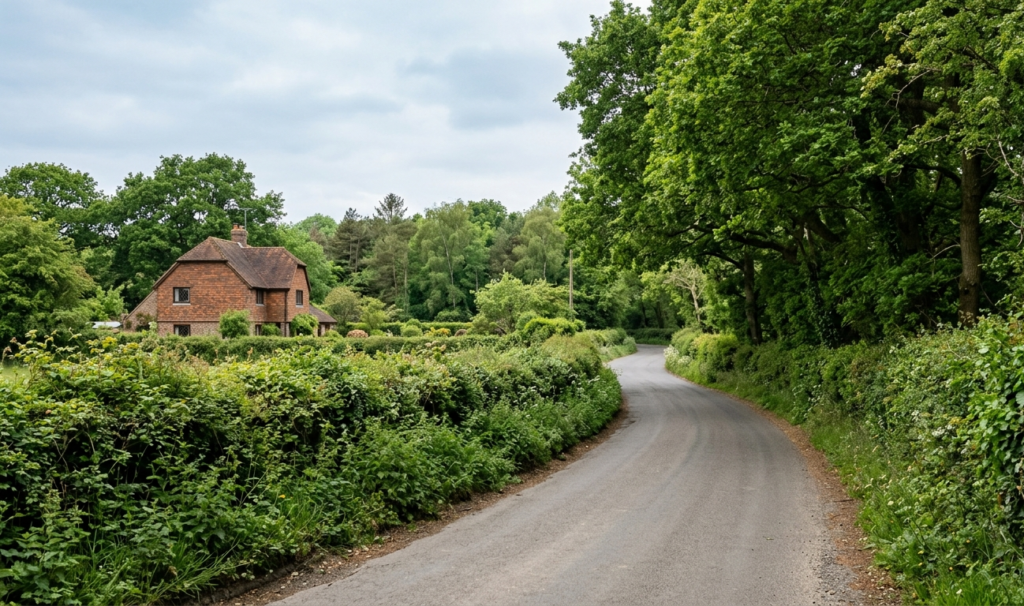
Meopham is one of the longest villages in England, four miles of country lanes, sub-villages, and detached houses set behind hedgerows where a big removal van often can’t physically reach the driveway. We move people in and out of Meopham every month, and we do it the way it needs to be done: smaller vehicles, careful planning, and a crew that’s done this before.
A Four-Mile Village, and Why That Matters
Most people imagine a village as one street, a green, a pub, maybe a church. Meopham isn’t that. Meopham stretches roughly four miles along the Wrotham Road, from Camer Park in the south up past the windmill, the cricket green, and the parade of shops, all the way to the boundary with Sole Street and the surrounding hamlets. Within that footprint sit the sub-villages, Culverstone, Harvel, Hook Green, the edge of Vigo, each with their own character but all sharing the same postcode area and the same access realities.
This matters for moving because Meopham is not one move pattern, it’s many. A move from a chalet bungalow on Meadow Lane in Culverstone has almost nothing in common with a move from a Grade II Hall House on Wrotham Road, which in turn has nothing in common with a move from one of the new-build infill developments closer to Meopham station. The same removal team handles all three, but the planning is completely different for each.
If a removal company quotes the same way for every Meopham move, they probably haven’t done many Meopham moves.
Meopham is part of our wider Gravesend coverage. If you’d like to see how we handle the rest of the patch and the other villages around us, the parent page covers it.
The Vehicle Problem
Why a standard removal van often won’t reach the property
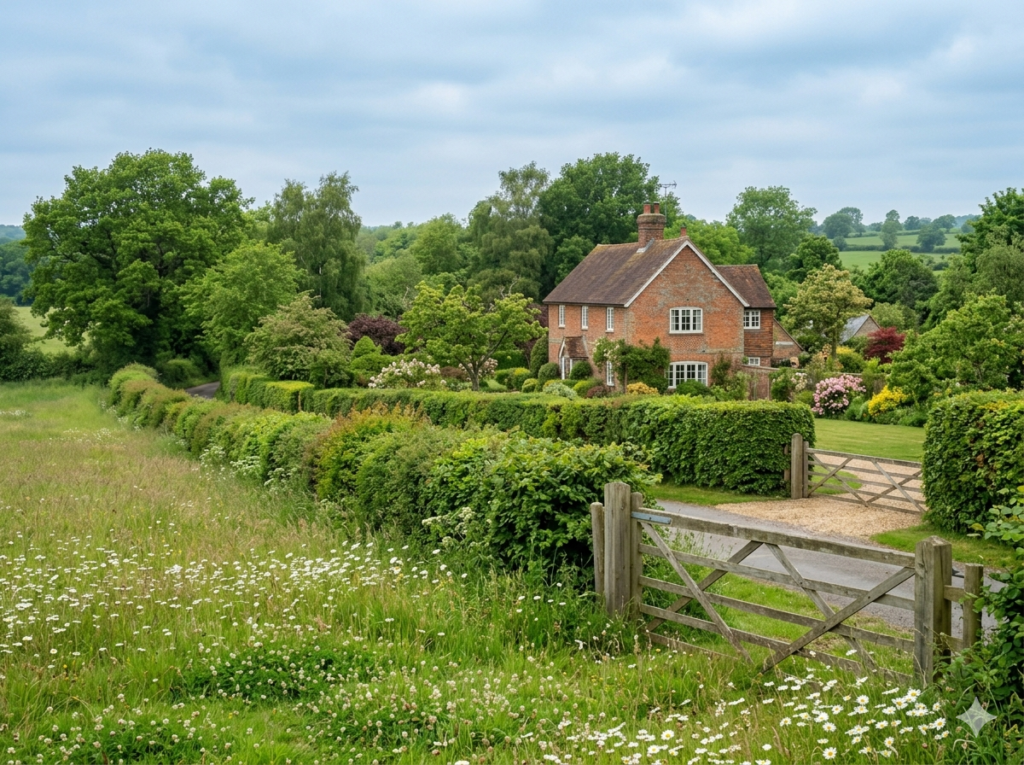
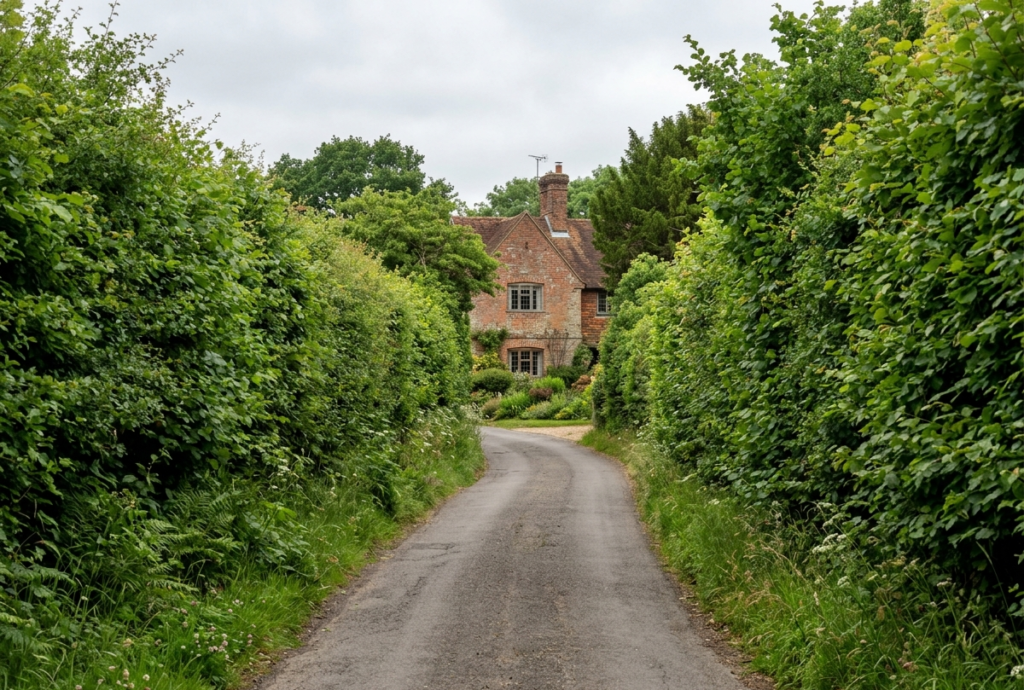
The country lanes around Meopham, Dean Lane, Norwood Lane, Whitepost Lane, Hodsoll Street, the lanes through Culverstone and Harvel, are mostly single-track with passing places, with thick hedgerows on both sides and overhanging branches. A 7.5-tonne Luton van is 11 feet wide once you account for mirrors and around 13 feet tall. On a narrow lane with overhanging branches, it physically cannot pass. Even if it did pass, turning it round at the property is often impossible because the driveways are short and the lanes are narrow.
The shuttle method
For properties on lanes a Luton can’t use, we run a shuttle. The main removal van parks at the nearest accessible point, usually a layby or junction on the Wrotham Road, or a wider stretch of lane closer to the village centre. A smaller van, typically a 3.5-tonne short-wheelbase Transit or Sprinter, runs back and forth between the main van and the property. The crew loads from the property into the small van, drives it to the main van, transfers the load, and goes back for more. It takes longer but it’s the only way to do these moves properly.
When the shuttle isn’t needed
Properties on the Wrotham Road itself, the Sole Street side of the village, and most of the houses with proper driveways set close to the main roads can take a full-size Luton van without any of this. Roughly 60 percent of Meopham moves are straightforward direct-access jobs. The remaining 40 percent need the shuttle method, and we work out which category your property falls into when we quote, usually from a quick look at the postcode and a couple of photos of the access road if you can send them.
The time impact, and why we’re honest about it
Shuttle moves take 30 to 50 percent longer than direct-access moves of the same size. We build that time into the quote upfront. The mistake some removal firms make is to quote a Meopham move as if it’s a Gravesend move, only to discover on the day that the access is unworkable, and then bill the customer for the extra hours. We’d rather give you a slightly higher number on day one and stick to it.
Meopham’s Property Mix and What Each Type Means for a Move
Meopham’s property market is unusually varied for a village. Knowing which category your move falls into changes the planning significantly.
Detached country houses on private lanes
The Meopham archetype. Three to five bedrooms, half-acre or larger plots, often built between the 1930s and 1970s, sometimes with later extensions. Properties along Wrotham Road, Whitepost Lane, Hodsoll Street, and most of the larger plots in Culverstone fall into this category. These moves usually involve the shuttle method for at least part of the day, and the volume of contents is high, often three or four full Luton loads’ worth. Booking lead time is typically 4 to 6 weeks. Average price around £755,000, which gives you a sense of the kind of contents involved, more antiques, more bespoke furniture, more art than a typical move.
Chalet bungalows
Particularly common in Culverstone, Vigo, and along the edge of the village. Single-storey with rooms in the roof, usually three or four bedrooms, generous gardens, often with double garages and additional outbuildings. These moves tend to be downsizers from larger Kent houses or upsizers from somewhere closer to London. The single-storey layout means no stairs, which speeds up loading considerably, but the volume of contents in a long-occupied bungalow can still be substantial.
Grade II listed Hall Houses and period cottages
Meopham has several Grade II listed properties, mostly 15th-to-18th-century Hall Houses around the village core and along the older lanes. These moves require extra care for low doorways, original floorboards (which can mark easily under wheeled equipment), and exposed beams (which catch tall furniture being carried through). We use furniture protection blankets and floor runners on every listed-building move, and our crews carry rather than wheel through the period spaces.
Modern infill developments
In the last 15 to 20 years, smaller pockets of new-build housing have appeared along the Wrotham Road corridor and on land released within the village boundary. Three- and four-bedroom modern detached homes with driveways and garages, designed to look in keeping with the village but built to current standards. These are the most straightforward Meopham moves, easy van access, no shuttle needed, modern doorways and stair widths.
Meopham-Specific FAQs
My property is on a lane that even a small van struggles to reach. What then?
Rare but it happens, usually properties down genuinely private tracks at the far end of Culverstone, Harvel, or some of the back lanes near Hodsoll. In those cases we use a Transit pickup with a covered load space, which is narrower than even our smallest Sprinter. It takes more trips and adds time, but it gets the job done. We’ll tell you upfront if your property is in that category and what the implications are.
How early should I book a Meopham move?
Earlier than most Kent moves. Meopham customers usually plan their moves 6 to 8 weeks ahead, sometimes longer for completion-dependent purchases. We rarely have last-minute Meopham availability because the moves themselves take longer (often a full day or longer for larger detached houses) and we schedule fewer of them per week than urban moves. If your move date is fixed, get in touch as soon as you have it.
Are you familiar with Camer Park, the windmill area, and the cricket green side of the village?
Yes. Most of our Meopham bookings cluster in the central village area between the windmill and the cricket green, with the rest spread across the sub-villages. The roads around Camer Park, the school catchment area, and the main parade of shops are part of our regular patch. We know which routes work for which vehicle size and which times of day to avoid the school-run pinch on Meopham Road.
Planning a Move in Meopham?
Send us your postcode and we’ll come back with a quote that accounts for the lane access, the vehicle size, and the realistic time the move will take. Usually within an hour on weekdays.